
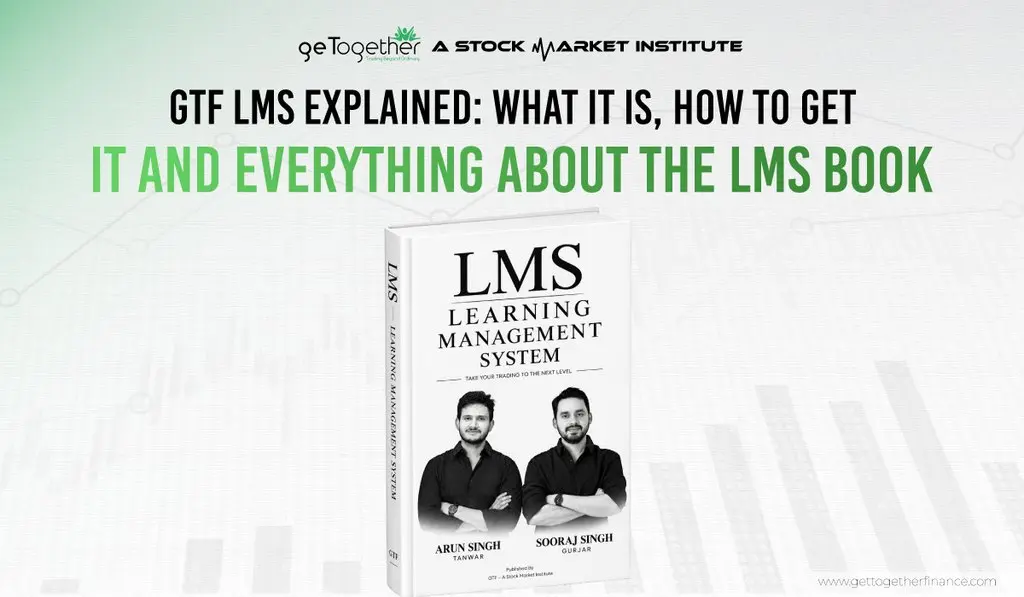
GTF LMS Explained: What It Is, How to Get It and Everything About the LMS Book
- Updated on :
- 10 Views
- by Juhi Sharma

 Instagram
 Linkedin
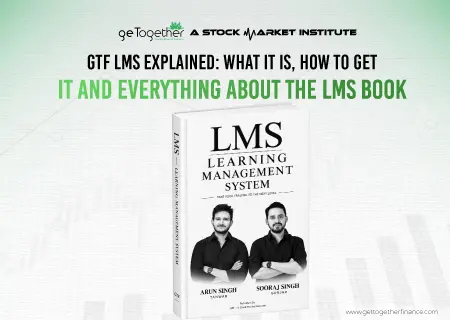
There comes a point in every trader’s journey when learning more does not necessarily make trading easier. You may have watched hours of market content, studied charts, understood demand and supply, and learned different trading setups.
You may even know the importance of risk management. Yet, when the market starts moving, the same questions can return. Should I take this trade? Why should I take it? When should I avoid it? How much should I risk? What should I do when the market does not behave as expected?
This is where learning needs to become more than collecting information. The GTF Learning Management System (LMS) is built around this idea. It offers a structured learning framework designed to help traders develop clarity, discipline, logical thinking, and a more organised approach to trading and investing. The GTF LMS Book brings this philosophy into a structured format, covering topics that extend beyond basic trading concepts. But what exactly is GTF LMS, what is the LMS Book, and how do the GTF LMS sessions fit into the larger learning journey? Let us understand.
What Is GTF LMS?

GTF LMS stands for GTF Learning Management System. It is a structured learning framework designed to help traders move beyond basic market knowledge and develop a more disciplined approach to the stock market. The introduction to the LMS book explains that LMS is not simply a collection of lessons. Instead, it is a step-by-step learning journey that aims to build clarity, confidence, and stronger decision-making in trading and investing. This distinction matters because knowing a trading concept and applying it correctly are two different things.
A trader may understand a setup but still struggle to identify when it is appropriate to use it. Similarly, someone may understand risk management but still make emotional decisions during a difficult market situation. Therefore, LMS focuses not only on what to do but also on why to do it, when to do it, when to avoid it and how to execute it. In simple words, the goal is to help learners connect their knowledge with a structured decision-making process.
What Makes GTF LMS Different?

The biggest difference lies in the way LMS approaches trading education. Rather than treating trading as a collection of individual strategies, the framework looks at the different elements that influence a trader’s decisions. The LMS Book covers areas such as trade setups, market phases, wealth creation, capital allocation, advanced execution, sector analysis, portfolio management, risk management, trading psychology and mental clarity.
At first, these topics may seem unrelated. However, they are connected in practice. A trader needs to understand the market before making a decision, manage risk while executing that decision, allocate capital sensibly, and review the outcome afterwards.
Moreover, discipline and psychology influence how consistently a trader follows the process. This is why GTF LMS takes a broader approach to learning. The objective is not simply to know more about the market but to become more structured in the way you think, plan and act.
What Is the LMS Book?

The LMS Book is a structured educational book created around the ideas, concepts and learning philosophy of GTF LMS. It is designed to help readers understand the framework behind the learning system and how its different concepts fit together. The book explains that its concepts have been developed through market observation, self-learning, practical experience and years of study by Arun Singh Tanwar and Sooraj Singh Gurjar.
Rather than presenting trading as something that can be mastered after a few lessons, the book emphasises the importance of a proper learning journey. That journey involves understanding concepts, observing market behaviour, practising, reviewing decisions, and improving over time.
The GTF LMS Book therefore serves as a guide to the thinking and structure behind LMS. It helps readers see how trading knowledge, practical execution, risk management, and the trader’s mindset contribute to a more organised approach to the market.
What Does the GTF LMS Book Cover?

One look at the contents of the GTF LMS Book shows that its scope goes well beyond basic stock market education. The book begins with building the foundation and explores what a trader needs to develop a disciplined and capable approach to the market. It then moves into topics such as the LMS Wealth Creation Method, investing frameworks, Demat account management, fund allocation and stop-loss trailing concepts. These topics bring attention to an important part of trading that is sometimes overlooked. Finding a trade is only one part of the process. Understanding how to manage capital and protect it is equally important.
Additionally, the book includes an Advanced Execution section that covers concepts such as Power of 1:2, Current Plan vs Future Plan, IOC, CESC, and protecting capital. It also explores sector analysis, including when to expect a reaction or reversal, the relationship between indices and sectors, and how sector support can be used. These subjects encourage learners to look beyond an individual stock and consider the broader market context. The book also includes sections on portfolio management, trading modes, scalping discipline, risk management and the journey from a job towards full-time trading. Together, these topics show that GTF LMS approaches trading as a complete process rather than a single activity.
GTF LMS Is Bigger Than a Trading Setup
Many traders believe that learning another strategy will solve their problems. They discover a new indicator, study another setup, and try a different approach. However, the same challenges may return because the issue is not always a lack of information. Sometimes, the real problem is not knowing how to apply existing knowledge consistently. A trader may understand a setup but enter too early, ignore the risk, or abandon the plan after a loss.
This is where the philosophy of GTF LMS becomes relevant. It brings together market understanding, execution, capital management, and the psychological side of trading. Instead of focusing only on finding opportunities, it encourages learners to understand the reasoning behind their decisions. A trader does not become stronger simply by learning another setup. The trader becomes stronger when the entire process starts making sense.
What Are GTF LMS Sessions?

The GTF LMS sessions form part of the broader LMS learning experience. They are connected to the structured learning approach reflected in the book, where different concepts and practical ideas are brought together instead of being treated as isolated lessons.
However, the LMS Book and GTF LMS are not the same thing. The book presents the framework, concepts, and philosophy in written form, while the broader LMS learning experience goes deeper into the subject through its sessions and learning structure.
Therefore, anyone searching for GTF LMS sessions should understand that they are part of a larger learning system rather than simply a collection of unrelated stock market videos. The purpose is to help learners understand how different aspects of trading connect and why a structured approach matters.
Who Should Learn GTF LMS Sessions?

A completely new learner should first develop a basic understanding of the stock market and how trading works. Once that foundation is in place, the next challenge is often learning how to connect different concepts and apply them consistently. This is where the GTF LMS framework may be relevant. It is particularly worth exploring for traders who understand the basics but still struggle with questions such as why they repeat the same mistakes, how they should manage capital, when they should avoid a trade and how they can become more disciplined. These questions cannot always be answered by learning another isolated setup. They require a broader understanding of the trading process. By bringing together execution, risk management, market analysis and psychology, LMS addresses the different areas that influence how a trader thinks and acts.
From Random Trading to Rule-Based Execution

One of the most meaningful ideas reflected in the LMS Book is the shift from random trading to rule-based execution. Imagine two traders looking at the same stock. Both understand the setup, but one waits for the right conditions while the other enters because the price is moving quickly. One follows a plan, while the other changes the plan after a small loss. The difference may not be their technical knowledge. It may be the process they follow. Rule-based execution encourages traders to ask whether a trade meets their conditions, what the logic behind the decision is, how much risk is involved and when the setup should be avoided. As a result, decisions become less dependent on momentary excitement or fear. The idea is not to predict every market movement, but to develop a clear reason for participating in a trade and a defined process for managing it.
Why Mental Clarity Matters in Trading

The Mental Clarity section is another important part of the LMS Book. It includes topics such as the Habit Tracker, Feel the Win Before You Begin, 5 Minutes Visualisation and The Final Trading Framework. These topics highlight that trading is influenced by more than technical knowledge. Two traders can see the same opportunity and react differently. One may wait patiently, while the other rushes into a trade. One may accept a planned loss, while the other tries to recover it immediately. Similarly, one trader may follow a process consistently, while another abandons it after a disappointing result. This is why mental clarity and psychology matter. The person making the decision is part of the trading process. By encouraging learners to pay attention to their habits, discipline and decision-making, the LMS framework recognises that a trader’s behaviour can influence how effectively they apply what they know.
Job to Full-Time Trading: Why Preparation Matters

The LMS Book also includes a section on Job to Full-Time Trading, covering topics such as Career Shift to Full-Time Trading, Career Shift Scorecard, and Qualifying for Full-Time Trading. This is an important subject because moving from employment to full-time trading should not be treated as an emotional decision. A few profitable trades do not automatically establish that someone is ready to depend on trading for a living. Such a decision requires careful preparation, an understanding of risk, capital management, consistency, and a process that can withstand changing market conditions. Therefore, full-time trading should be approached as a responsibility rather than an escape from a job. The inclusion of this topic shows that the LMS Book considers not only trading decisions but also the larger questions a trader may face while planning their future.
How to Get the GTF LMS Book?

If you are searching for how to get the LMS Book, the first step is to understand that the book belongs to the broader GTF LMS learning ecosystem. Moreover, you can visit the official GTF LMS Book page to explore the book and check the latest purchase details. It is designed to help readers understand the concepts, framework, and philosophy behind LMS. However, access to the book and the broader LMS learning experience may depend on GTF’s current process and eligibility requirements. Here are a few queries about the book:
- Visit the Official Website: Go to GTF’s official LMS Book page to explore the book and find the latest ordering information.
- Pricing of the LMS Book: The GTF LMS Book is listed at ₹499, including GST.
- What LMS Book Covers? The book brings together learnings from 21 immersive sessions delivered over six months in a structured format. It covers areas such as professional trading mindset, risk management, capital allocation, sector analysis, and disciplined trade execution.
What Is the Difference Between GTF LMS and the LMS Book?

The difference is straightforward. GTF LMS is the broader learning management system, while the LMS Book is a written guide to the concepts and learning philosophy behind that framework. The book helps readers understand how the different elements of the learning journey fit together. The broader LMS experience includes its learning structure and sessions, which go deeper into the subject. Therefore, the searches “what is GTF LMS” and “what is LMS Book” relate to two connected but different things. The first refers to the larger learning framework, while the second refers to the book that explains its ideas. Understanding this distinction helps learners know what they are looking for and what each part represents.
What Makes the GTF LMS Book Meaningful?

The GTF LMS Book goes beyond trading theory to help readers understand how market knowledge, risk management, and trading psychology work together. Built around practical market experience, it brings key concepts into a structured learning journey.
- Practical Market Learning: Connects trading concepts with real market examples and observations.
- Structured Trading Approach: Covers capital allocation, sector analysis, portfolio management, and trade execution.
- Risk Management: Emphasises protecting capital and understanding risk before focusing on profits.
- Trading Psychology: Highlights mental clarity, emotional control, and disciplined decision-making.
- Learning Through Practice: Includes chart-based examples, review notes, and actionable takeaways.
Ultimately, the book encourages traders to move beyond random decisions and develop a more structured, disciplined approach to the market. Because successful learning is not just about knowing what to do, but understanding why and applying it consistently.
Conclusion: Learning to Think Before You Trade

So, what is GTF LMS? It is a structured learning framework designed to help traders develop clarity, discipline, logical thinking, and a more organised approach to trading and investing. What is the LMS Book? It is a written guide to the ideas, concepts, and learning philosophy behind the GTF Learning Management System. What does the GTF LMS course cover? The framework extends beyond basic market concepts into areas such as trade setups, wealth creation, capital allocation, advanced execution, sector analysis, portfolio management, risk management, mental clarity, and the journey towards full-time trading. And if you want to know how to get the LMS Book, you should check GTF’s latest official access information for the current process and eligibility requirements.
However, the most important question may not be how many concepts a trader can learn. It may be what the trader does with that knowledge. Markets will continue to change; some trades will work and others will not. There will be days that test patience and days that challenge confidence. In those moments, knowledge alone may not be enough. A trader also needs a process that encourages logical decisions, respects risk, follows rules, and learns from mistakes. That is the larger idea behind GTF LMS: not simply learning more about the stock market, but learning to approach it with greater clarity, structure and discipline. The journey does not end when you learn a concept. It continues when you understand why it matters, when to apply it and how to improve the way you use it.